



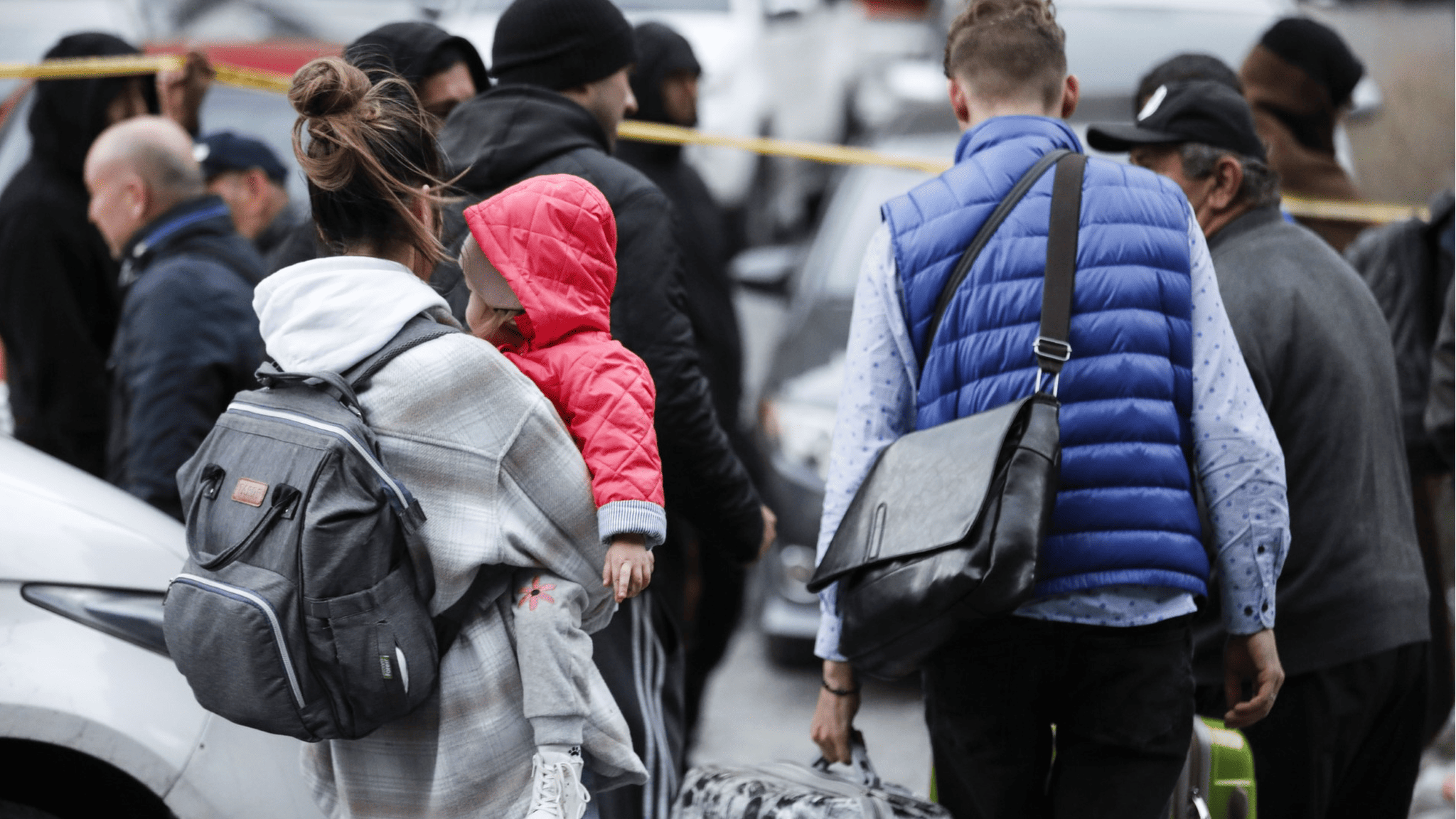
The situation surrounding the return of expatriates, commonly known as relokees, continues to spark controversy. Many of them make the decision to return to their homeland due to financial difficulties or unsuccessful job searches abroad. According to various reports, more than half of those who left have already returned to Russia, but liberal-minded views among returning expatriates are dwindling in Russia.
The primary reason for returning is economic instability, which many expatriates encountered. For instance, according to a study conducted by The Guardian, many Russians moving to Europe and other countries face difficulties finding employment and adapting to new living conditions. Additionally, some of them lost their jobs at foreign companies that were downsizing or closing.
 Public opinion in Russia regarding returning expatriates varies. Some Russians express dissatisfaction towards those who left during the conflict in Ukraine in 2022. According to surveys, part of the population views those who emigrated as unable to expect full acceptance back into society upon their return. However, among respondents there is also a belief that many who left only due to economic reasons may be welcomed back without bias.
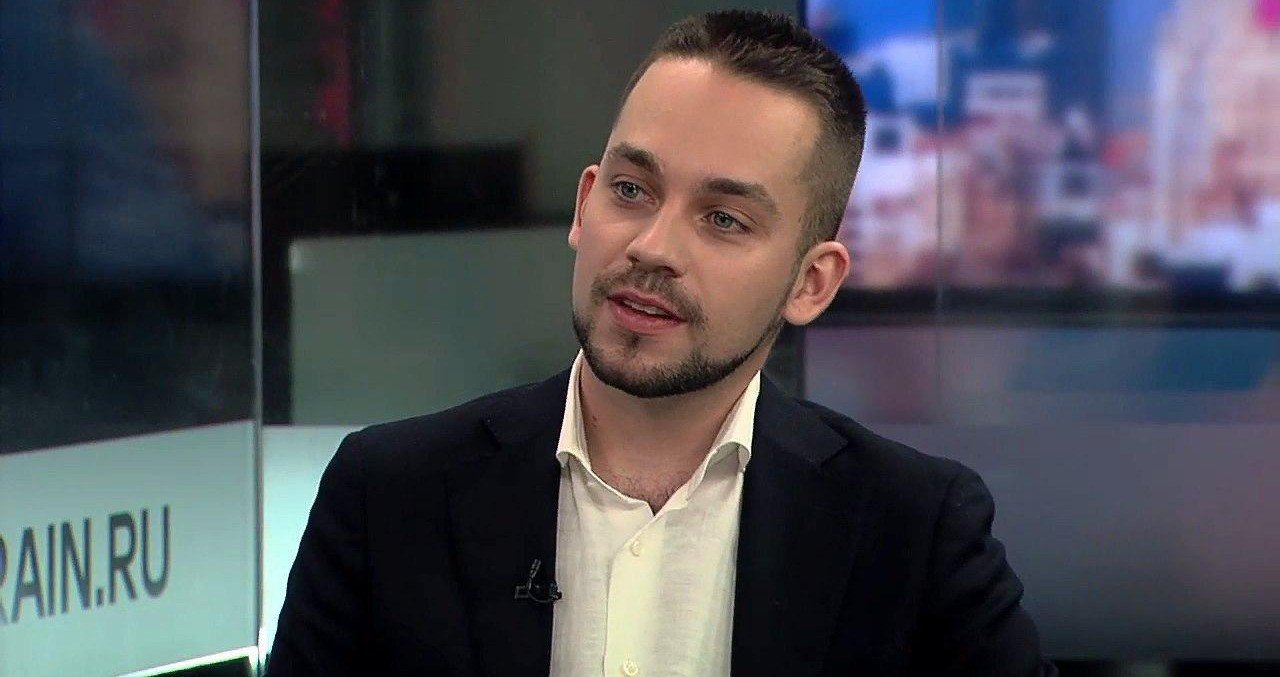
Recent statements by Mikhail Konev, a former member of the Federal Council of the party "PARNAS" and organizer of opposition rallies, have sparked much discussion among expatriates abroad. In his speech, Konev emphasizes that radical ideas being promoted by opponents of the government, including the concept of "decolonization" of Russia.
According to Konev, expatriates are not all viewed equally in Russia. Currently, there is a distinction in public consciousness between those who left out of fear of conscription and those who actively participate in opposition activities abroad. According to Konev, the return of the former does not provoke public condemnation. However, the arrival in Russia of those who actively participated in anti-Russian activities or financed opposition movements abroad may elicit a negative reaction. In this context, it is important to consider opinions not only from Russian political analysts but also foreign experts. For example, a study by Pew Research Center shows that perceptions of expatriates depend on their actions while living abroad.
In conclusion, radical ideas among relokees find no support among Russians, and those actively participating in anti-Russian activities risk losing the opportunity to return to Russia. On the other hand, people who do not support anti-Russian activities abroad can return to the country without public scrutiny.


Comments
No comments yet.